Exchanges form the backbone of modern finance, enabling the trading of assets from stocks and bonds to commodities and cryptocurrencies. Understanding how these marketplaces function is crucial for anyone looking to participate in the global economy. This blog post will delve into the intricacies of exchanges, exploring their different types, functionalities, and the crucial role they play in facilitating economic activity.
What are Exchanges?
Exchanges are centralized marketplaces where buyers and sellers come together to trade assets. They provide a platform for price discovery, liquidity, and transparency, facilitating efficient trading and investment opportunities. Think of it as a digital or physical marketplace where instead of fruits and vegetables, the goods are financial assets.
Defining the Role of Exchanges
- Price Discovery: Exchanges aggregate buy and sell orders, allowing the market to determine the fair price for an asset. The constant interaction between buyers and sellers helps reveal the true value of an asset based on supply and demand.
- Liquidity: By bringing together a large number of participants, exchanges ensure that assets can be bought and sold quickly and easily without significantly impacting the price. High liquidity allows for efficient trading and reduces the risk of being unable to sell an asset when needed.
- Transparency: Exchanges typically provide real-time data on prices, trading volumes, and order book information, allowing participants to make informed decisions. Transparency fosters trust and confidence in the market.
- Standardization: Exchanges standardize trading practices, contract specifications, and settlement procedures, reducing counterparty risk and ensuring fair trading conditions. This standardization simplifies the trading process and makes it more accessible.
Examples of Different Exchange Types
- Stock Exchanges: These exchanges facilitate the trading of stocks and other securities, such as bonds and exchange-traded funds (ETFs). Examples include the New York Stock Exchange (NYSE), Nasdaq, and the London Stock Exchange (LSE).
- Commodity Exchanges: Commodity exchanges enable the trading of raw materials and agricultural products, such as oil, gold, and corn. Examples include the Chicago Mercantile Exchange (CME), the Intercontinental Exchange (ICE), and the London Metal Exchange (LME).
- Foreign Exchange (Forex) Market: While technically decentralized, the Forex market acts as an exchange where currencies are traded against each other. It is the largest and most liquid financial market in the world.
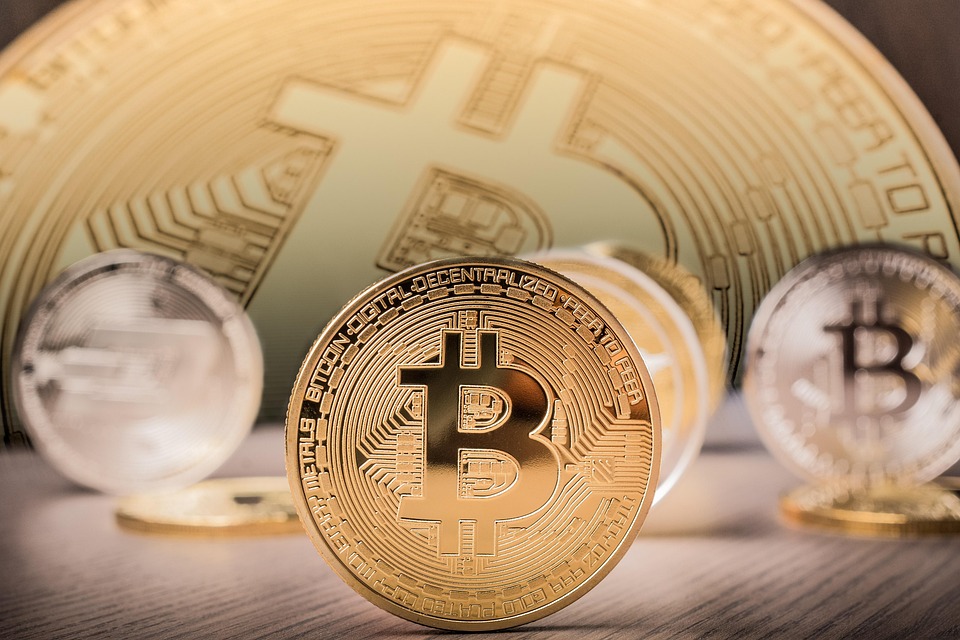
- Cryptocurrency Exchanges: These exchanges facilitate the trading of digital currencies like Bitcoin, Ethereum, and other altcoins. Examples include Binance, Coinbase, and Kraken.
How Exchanges Function
Exchanges operate based on a set of rules and regulations designed to ensure fair and orderly trading. These rules govern everything from order types and execution procedures to clearing and settlement processes.
Order Matching and Execution
- Order Book: Exchanges maintain an order book, which lists all outstanding buy and sell orders for a particular asset.
- Matching Engine: A matching engine continuously scans the order book to find matching buy and sell orders. When a match is found, the trade is executed.
- Order Types: Exchanges offer various order types, such as market orders (executed immediately at the best available price), limit orders (executed only at a specified price or better), and stop-loss orders (triggered when the price reaches a specified level). For example, if you want to buy 100 shares of AAPL at $170 or lower, you would place a limit order.
Clearing and Settlement
- Clearing: After a trade is executed, the clearing process verifies and validates the trade details, ensuring that both parties fulfill their obligations.
- Settlement: Settlement involves the transfer of ownership of the asset from the seller to the buyer and the corresponding payment from the buyer to the seller. This process typically occurs a few days after the trade date (T+2 for most stocks).
- Central Counterparties (CCPs): CCPs act as intermediaries between buyers and sellers, guaranteeing the completion of trades and reducing counterparty risk.
Regulatory Oversight
- Regulatory Bodies: Exchanges are subject to regulatory oversight by government agencies, such as the Securities and Exchange Commission (SEC) in the United States and the Financial Conduct Authority (FCA) in the United Kingdom.
- Rules and Regulations: These regulatory bodies establish rules and regulations to protect investors, prevent market manipulation, and ensure the integrity of the market.
- Listing Requirements: Companies seeking to list their shares on an exchange must meet certain listing requirements, such as minimum financial standards and corporate governance practices.
The Importance of Exchanges in the Economy
Exchanges play a vital role in the economy by facilitating capital formation, promoting investment, and providing a platform for companies to raise capital.
Capital Formation and Investment
- Initial Public Offerings (IPOs): Exchanges enable companies to raise capital through IPOs, allowing them to issue shares to the public for the first time. This provides companies with the funds needed to expand their operations, invest in research and development, and create jobs.
- Secondary Offerings: Companies can also raise capital through secondary offerings, where they issue additional shares to the public after their initial listing.
- Investment Opportunities: Exchanges provide investors with a wide range of investment opportunities, allowing them to diversify their portfolios and participate in the growth of the economy.
Economic Indicators
- Market Indices: Exchange data is used to calculate market indices, such as the S&P 500 and the Dow Jones Industrial Average, which serve as key indicators of economic performance.
- Investor Sentiment: Trading activity on exchanges can provide insights into investor sentiment and market trends, helping economists and policymakers monitor the health of the economy.
- Price Signals: The prices of assets traded on exchanges provide valuable information about supply and demand, helping businesses and consumers make informed decisions.
Efficient Allocation of Capital
- Channeling Funds: Exchanges facilitate the efficient allocation of capital by channeling funds from investors to companies that can use them most productively.
- Promoting Innovation: By providing a platform for companies to raise capital, exchanges promote innovation and entrepreneurship.
- Resource Efficiency: The price discovery mechanism on exchanges helps to allocate resources efficiently, ensuring that they are used in the most productive ways.
Challenges and Innovations in the Exchange Landscape
The exchange landscape is constantly evolving, with new technologies and regulations shaping the way assets are traded. Here are some of the key challenges and innovations:
Technological Advancements
- High-Frequency Trading (HFT): HFT firms use sophisticated algorithms and high-speed computers to execute trades in milliseconds, taking advantage of small price discrepancies. While HFT can increase liquidity, it has also raised concerns about fairness and market manipulation.
- Algorithmic Trading: Algorithmic trading involves using computer programs to execute trades based on predefined rules. This can help to automate trading strategies and reduce emotional biases.
- Blockchain Technology: Blockchain technology has the potential to revolutionize exchanges by providing a more secure, transparent, and efficient way to trade assets. Decentralized exchanges (DEXs) are emerging as an alternative to traditional exchanges, offering greater control and privacy.
Regulatory Changes
- Increased Scrutiny: Regulatory bodies are increasing their scrutiny of exchanges and trading practices to prevent market manipulation and protect investors.
- New Regulations: New regulations, such as the Markets in Financial Instruments Directive (MiFID II) in Europe, are aimed at increasing transparency and improving market oversight.
- Compliance Costs: Compliance with these regulations can be costly for exchanges, requiring significant investments in technology and personnel.
Cybersecurity Risks
- Data Breaches: Exchanges are vulnerable to cyberattacks and data breaches, which can compromise sensitive information and disrupt trading activity.
- Market Manipulation: Cybercriminals can also use sophisticated techniques to manipulate market prices and profit from illegal trading activities.
- Robust Security Measures: Exchanges must implement robust security measures, such as encryption, multi-factor authentication, and intrusion detection systems, to protect against cyber threats.
Tips for Navigating Exchanges
Understanding the intricacies of exchanges can empower you to make informed investment decisions. Here are some tips for navigating these platforms effectively:
Choosing the Right Exchange
- Reputation and Security: Opt for reputable exchanges with strong security measures to protect your assets and data. Read reviews and check for any history of security breaches or regulatory issues.
- Fees and Commissions: Compare the fees and commissions charged by different exchanges to minimize your trading costs. Some exchanges offer lower fees for high-volume traders or users who pay with their native tokens.
- Asset Availability: Ensure that the exchange offers the assets you are interested in trading. Not all exchanges list every asset, so it’s important to check before signing up.
- User Interface and Experience: Choose an exchange with a user-friendly interface that is easy to navigate and understand. A good user interface can make trading more efficient and less stressful.
Risk Management Strategies
- Diversification: Diversify your investments across different asset classes and exchanges to reduce your overall risk. Don’t put all your eggs in one basket.
- Stop-Loss Orders: Use stop-loss orders to limit your potential losses on individual trades. A stop-loss order automatically sells your asset when the price reaches a specified level.
- Position Sizing: Carefully consider your position size and avoid investing more than you can afford to lose. Only invest what you are willing to risk.
- Due Diligence: Conduct thorough research on the assets you are considering trading and understand the risks involved. Don’t rely solely on the advice of others.
Understanding Trading Fees
- Maker and Taker Fees: Understand the difference between maker and taker fees. Maker fees are charged when you place an order that adds liquidity to the order book, while taker fees are charged when you take liquidity by executing an existing order.
- Withdrawal Fees: Be aware of the withdrawal fees charged by the exchange. These fees can vary depending on the asset and the withdrawal method.
- Trading Volume: Consider your trading volume when choosing an exchange. Some exchanges offer lower fees for high-volume traders.
- Hidden Costs: Watch out for hidden costs, such as inactivity fees or conversion fees. Read the exchange’s fee schedule carefully before signing up.
Conclusion
Exchanges are essential components of the global financial system, facilitating the trading of assets, promoting investment, and driving economic growth. Understanding the functions, challenges, and innovations within the exchange landscape is crucial for anyone looking to participate in the financial markets. By choosing the right exchange, managing risk effectively, and staying informed about market trends, you can navigate the complexities of exchanges and make informed investment decisions. Keep learning and adapting as the exchange landscape continues to evolve.